D. in Biological and Medical Engineering 3
About the program
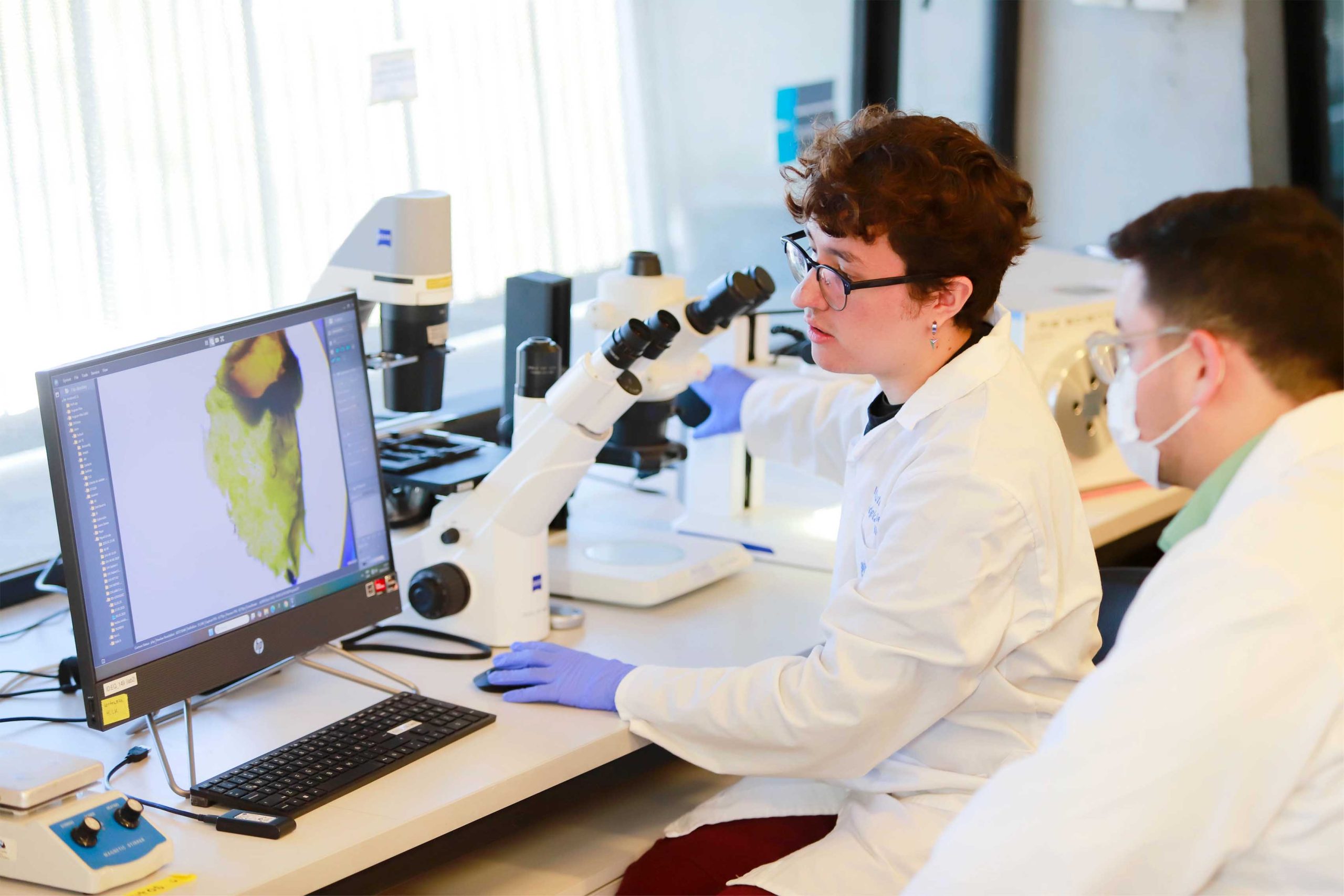
The main objective of the program is to train human capital capable of generating new knowledge and technology at the interface between Engineering, Biology and Medicine. The program will also contribute to promote the transfer of technology to society, through the development of research during the program, and subsequently the incorporation of new PhD graduates in academia, industry, or through innovative technological ventures.
For more information click here
D. graduates in Biological and Medical Engineering should be able to:
- Make an original and independent contribution in their field of study and identify and develop new lines of research of high academic and social impact.
- Develop and implement solutions to complex problems that require the simultaneous application of interdisciplinary knowledge provided by Engineering, Medicine and Biology, based on their solid scientific and technological training.
- Promote the transfer of technology to society through research generated in industry, academia, or through technological and innovative ventures.
- Participate and lead interdisciplinary and international research groups.
- Discuss and defend current areas of research with critical and analytical skills and communicate the contributions of their research effectively orally and in writing in English to the scientific community and society at large.
- To develop research and professional work in the interdisciplinary field of Biological and Medical Engineering and its interaction with society and the environment with ethical responsibility.
Step-by-Step Application Process
1. Check the requirements at
. You must have a college degree in a field related to the biological sciences, medicine, or engineering, and demonstrate proficiency in English at the B2 level (ALTE 3).
2. Define your line of research
Make sure you are interested in the intersection of these disciplines and have a clear research topic.
3. Contact faculty members in the program at
. We recommend that you contact IIBM faculty members in advance to explore potential advisors. These conversations are taken into account during the application process.
4. Complete the online application at
. Submit your application through the official platform and send the required documentation to postgrado.iibm@uc.cl
5. Required Documentation
- Academic transcripts (degree, grades, and ranking)
- Resume
- English proficiency certification at ALTE Level 3 or B2 according to the Common European Framework
- Letter of Intent
- Two letters of recommendation must be sent to the Doctoral Committee: postgrado.iibm@uc.cl
- Identification document (RUT or passport)
- Copy of the UC Application
- IIBM Application Form
(Foreign applicants must submit legalized or apostilled documents.)
6. Submit your application materials to
. Send all documentation to the graduate program’s email address as instructed.
Lines of Research
Based on the competence, trajectory and scientific leadership of its academic staff, the PhD Program in Biological and Medical Engineering UC offers several lines of high impact research, so that doctoral students create new knowledge of worldwide relevance in biomedical imaging, cellular and molecular engineering, tissue engineering, and quantitative physiology and biomechanics.
Curriculum

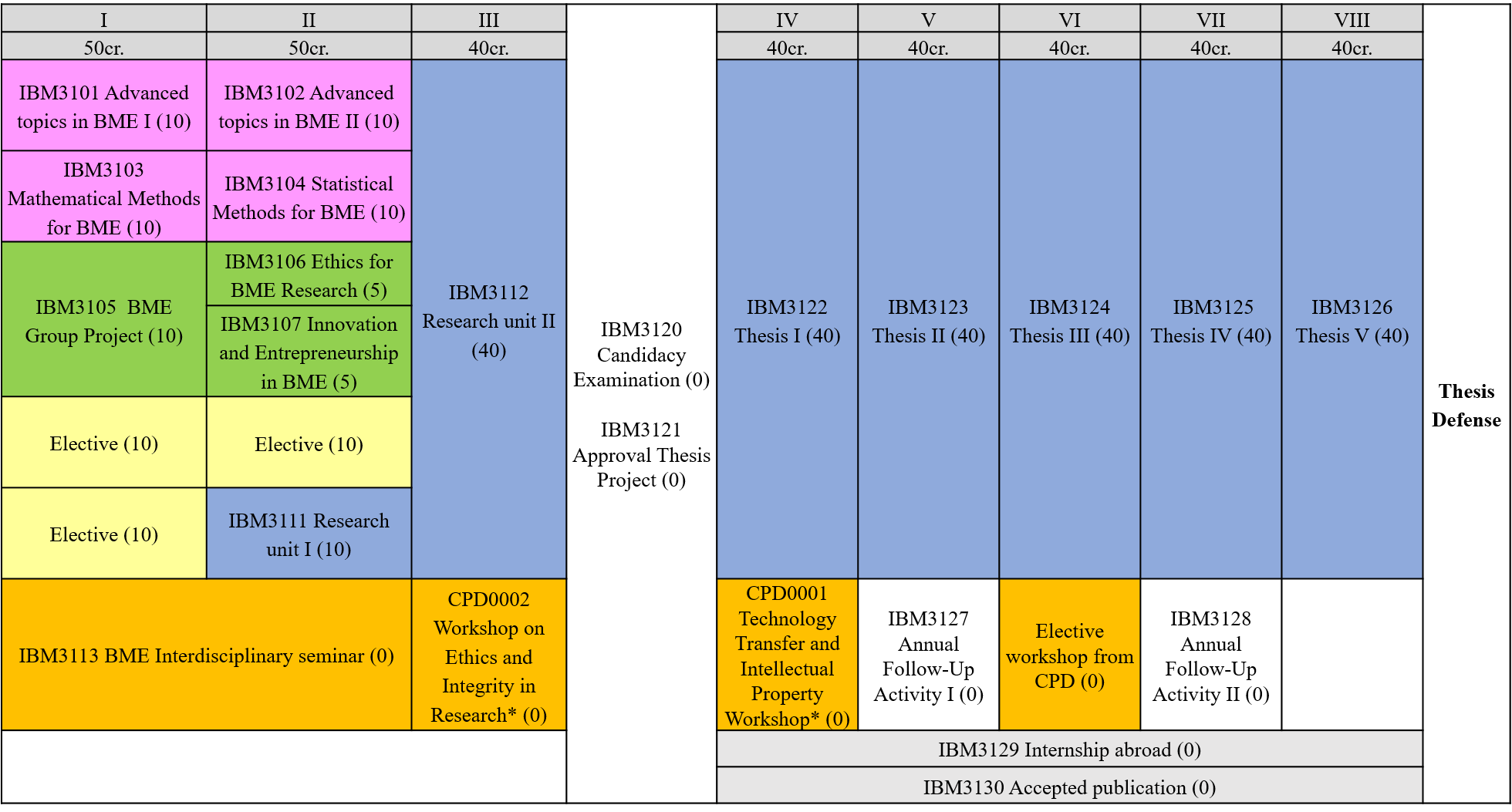
The dedication to the Doctorate in Biological and Medical Engineering is exclusive, with a theoretical duration of 8 semesters and a total of 340 UC credits destined to courses, of which 60 correspond to minimum courses, 30 to electives, 50 to Research Units, and 200 to the Thesis. The credits are the quantitative expression of the academic work done by the student, necessary to achieve the objectives and learning achievements of each curricular activity. One UC credit is equivalent to one hour of work per week during a semester. Given the international character of the program, courses will be taught in English.
It consists of the presentation and defense of a doctoral thesis project, which must be an original work, focused on the resolution of a problem or optimization of a process related to biological and medical engineering and its subsequent application. In this instance, the student’s knowledge of the selected topic, which will be necessary to carry out the thesis project, is also evaluated. Once the candidacy exam has been passed, the student will be a PhD candidate and will be able to start his/her doctoral thesis.
Graduation from the Doctoral Program will require the approval of all curricular activities corresponding to the study plan and the final defense of the Thesis, in accordance with the provisions of the pertinent article of the University’s Doctoral Student Regulations. In addition, research units and other mandatory non-credit activities that are a requirement for graduation must be completed. In addition to the above, students will receive international training through research internships abroad.
To access the temperates associated with research units and doctoral theses, we invite you to review here
Community
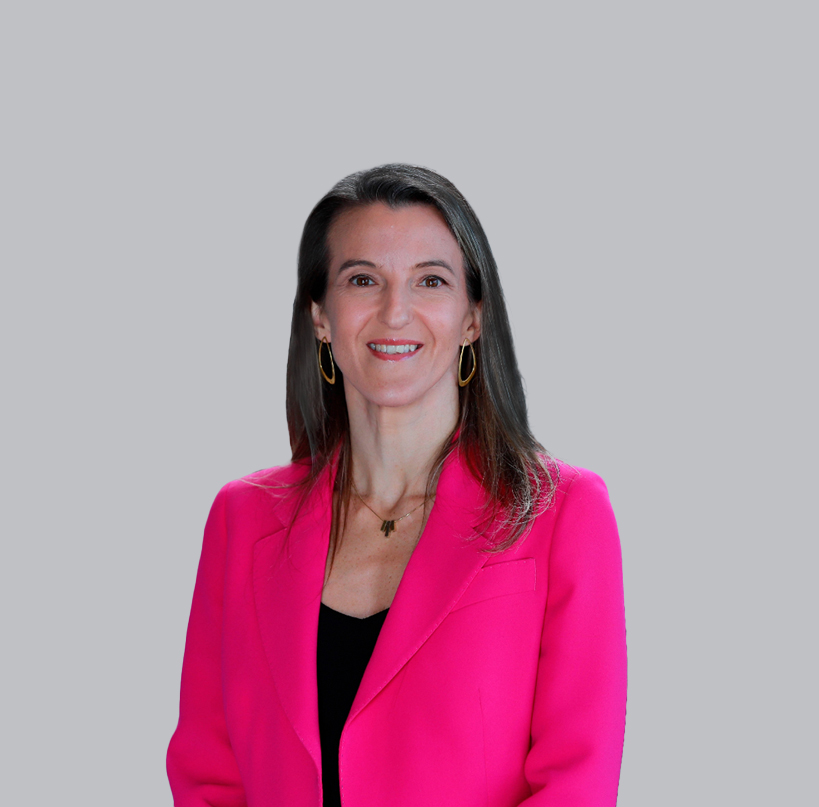
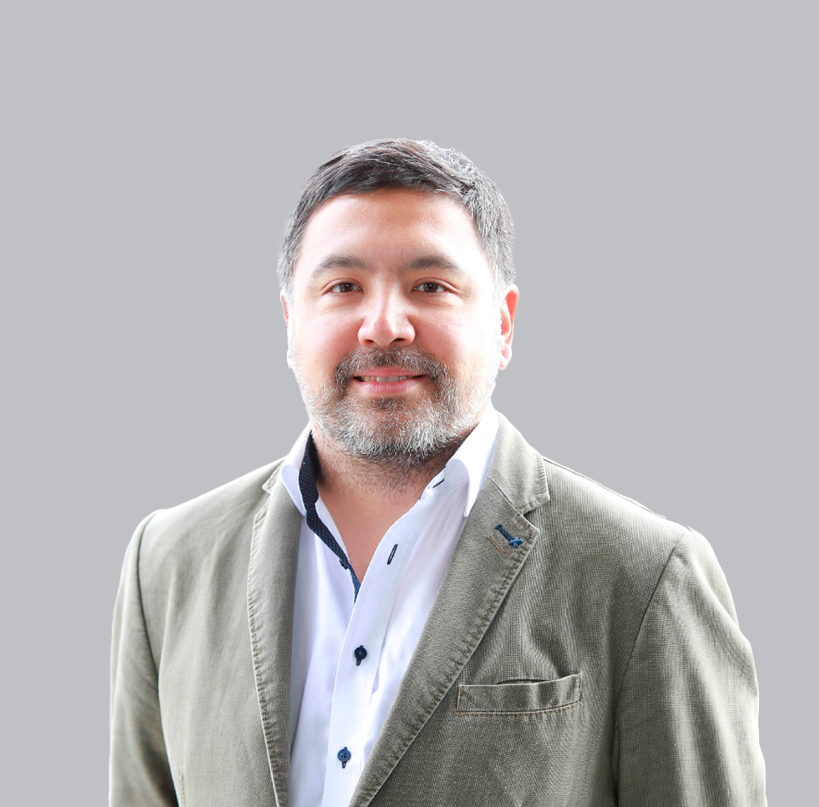
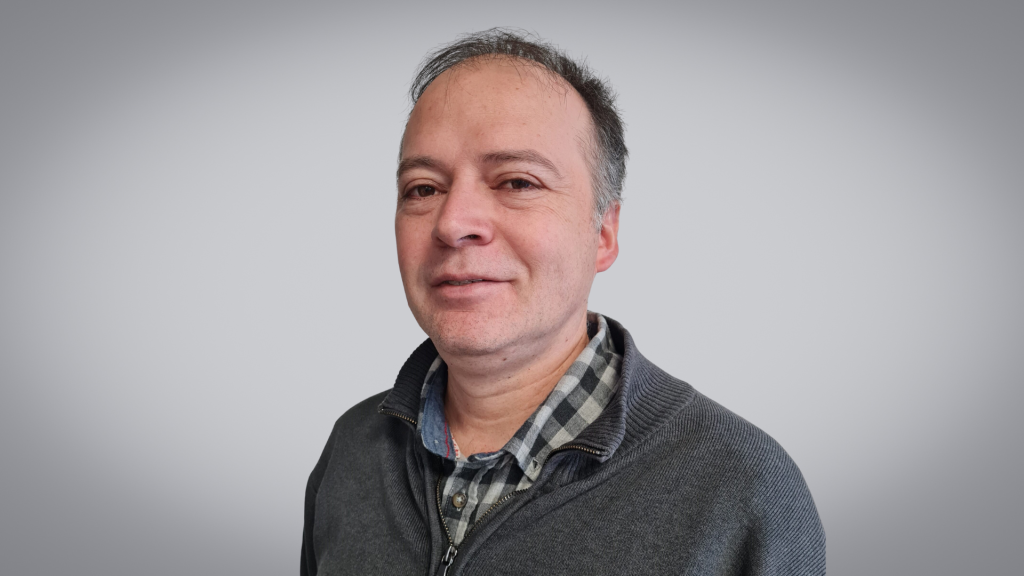
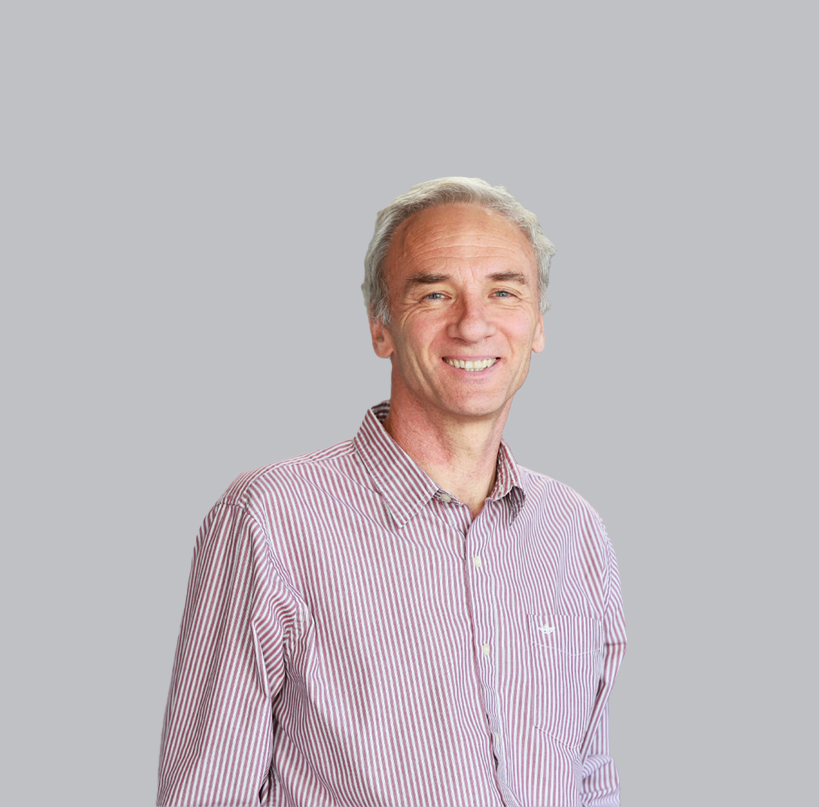
The program’s academic faculty consists of 31 faculty members, all of whom hold doctoral degrees, have active research interests, and boast distinguished scientific careers. Faculty members meet the productivity standards defined by the National Accreditation Commission (CNA) for doctoral programs and are fully qualified to supervise doctoral dissertations, serving as academic advisors to students in the program. Their experience and leadership in research ensure an excellent education and a high-level academic environment.



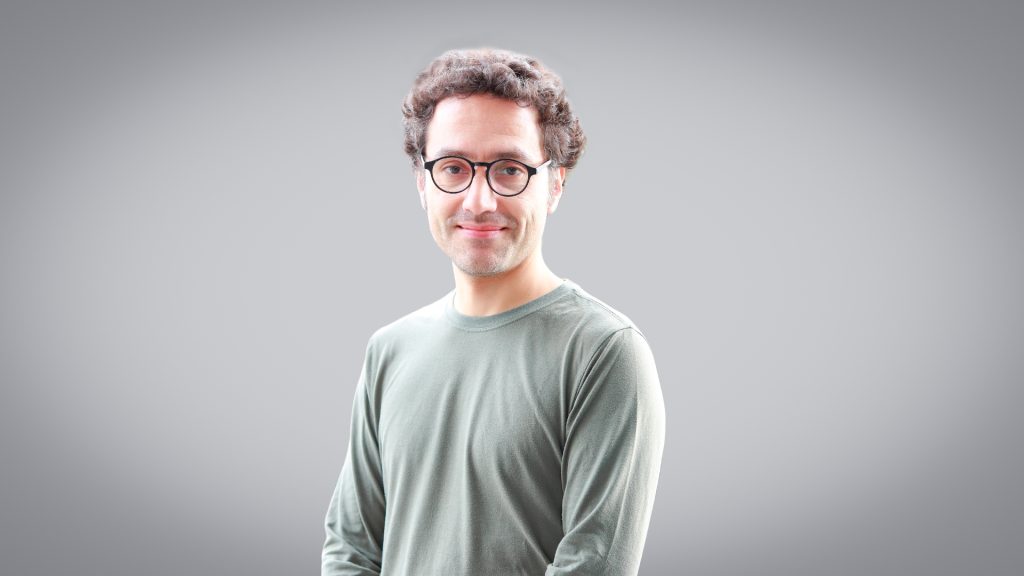
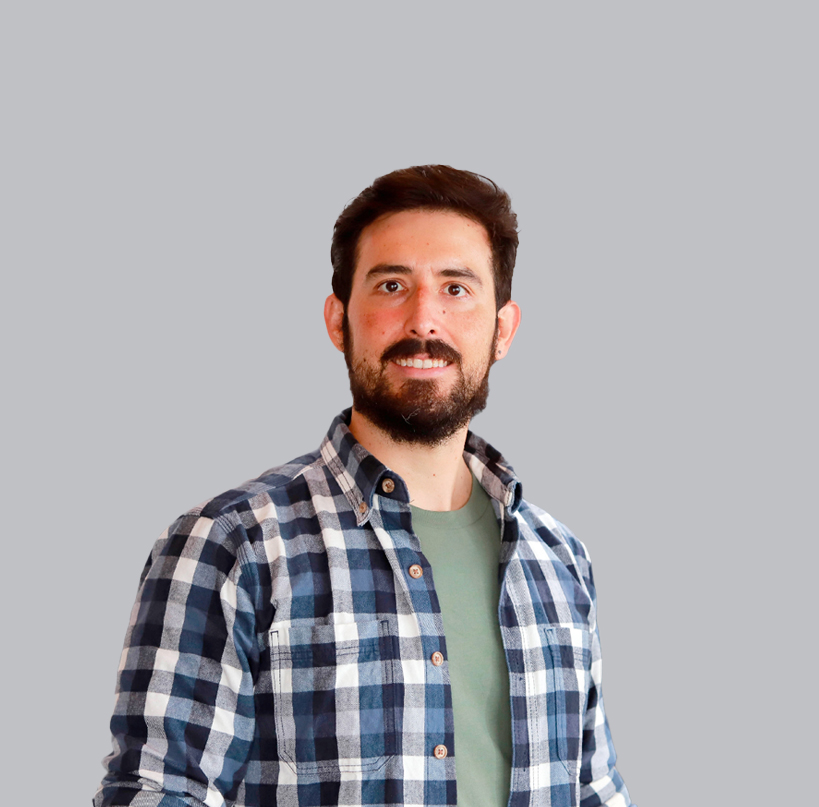
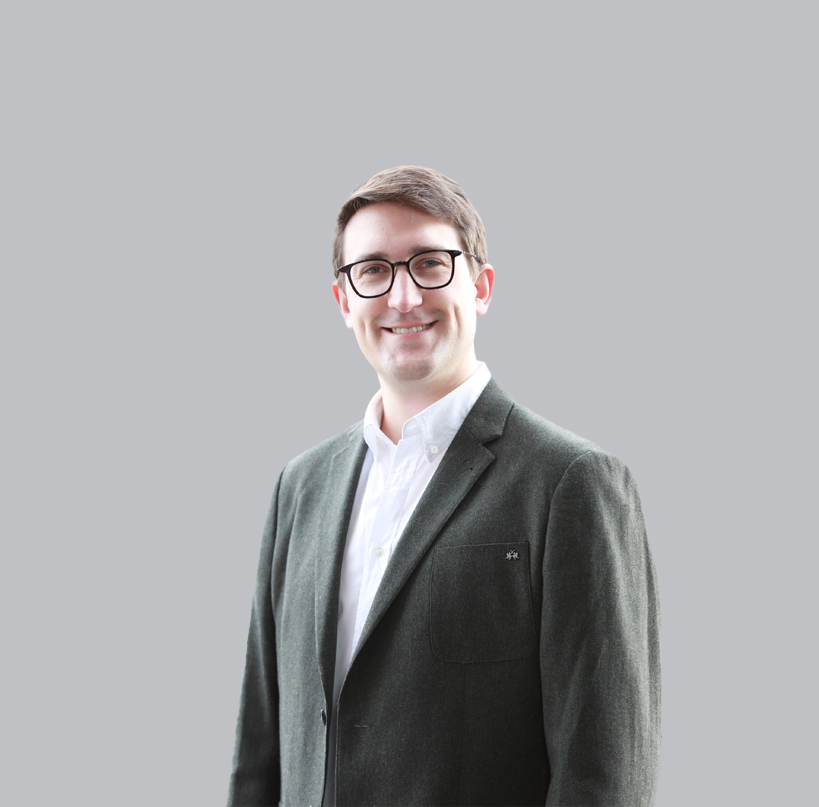
Cecilia Besa
Profesora Asistente Facultad de Medicina




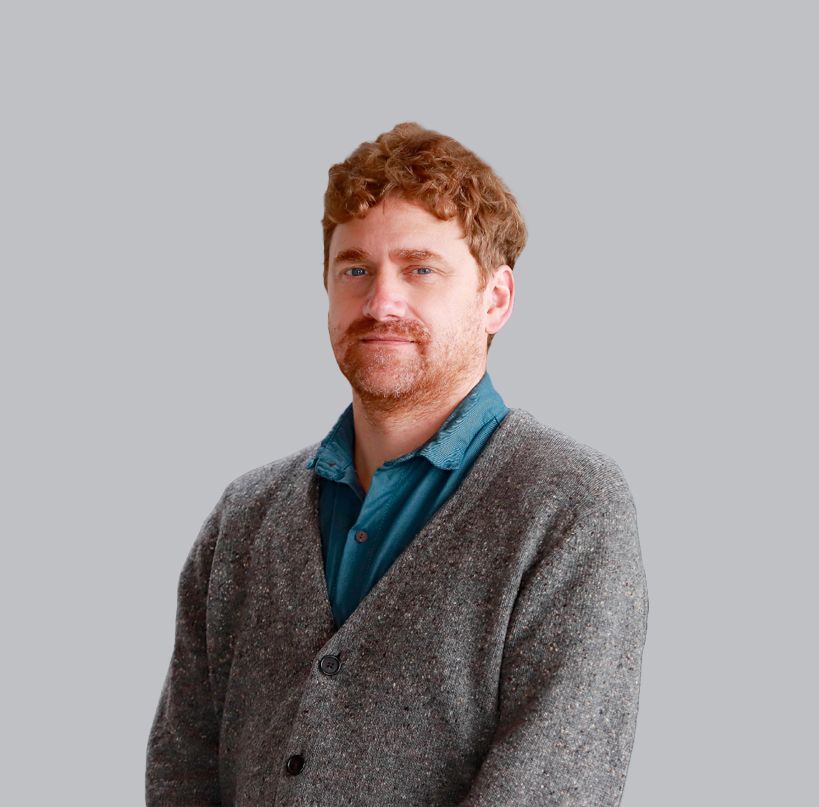
Tomás Egaña
Assistant Director of Postgraduate Programs | Associate Professor

Alejandra Isabel Trujillo Espergel
Ph.D. Student in Biological and Medical Engineering
Supervisor
Programa
Doctorate in Engineering Sciences UC
Alejandra Patricia Lablé Vásquez
Ph.D. Student in Biological and Medical Engineering
Supervisor
Andrea Paz Marimán Marchant
Ph.D. Student in Biological and Medical Engineering
Supervisor
Blanca Elizabeth Quiroga Vivar
Ph.D. Student in Biological and Medical Engineering
Supervisor
Camila Fernanda Neira Mahuzier
Ph.D. Student in Biological and Medical Engineering
Supervisor
Programa
D. in Biological and Medical Engineering
Catalina Andrea Soto Montandon
Ph.D. Student in Biological and Medical Engineering
Supervisor

César Antonio Santis Fuentes
Ph.D. Student in Biological and Medical Engineering
Supervisor

Christian Benjamín Arias Almeida
Ph.D. Student in Biological and Medical Engineering
Supervisor
Programa
Dr. in Biological and Medical Engineering
Cyndi Andrea Tabilo Agurto
Ph.D. Student in Biological and Medical Engineering
Supervisor
Programa
D. in Biological and Medical Engineering

Dabne Celin Barrera Trujillo
Ph.D. Student in Biological and Medical Engineering
Supervisor
Programa
Dr. in Biological and Medical Engineering
Diego Eduardo Pedraza Hidalgo
Ph.D. Student in Biological and Medical Engineering
Supervisor
Programa
D. in Biological and Medical Engineering

Esteban Chiu
Ph.D. Student in Biological and Medical Engineering
Supervisor
Programa
Dr. in Biological and Medical Engineering
Esteban Eduardo Rodríguez Rivera
Ph.D. Student in Biological and Medical Engineering
Supervisor

Eugenio Andrés Díaz Urbina
Ph.D. Student in Biological and Medical Engineering
Supervisor
Programa
D. in Biological and Medical Engineering
Fabián Andrés Melo Montenegro
Ph.D. Student in Biological and Medical Engineering
Supervisor
Tema de investigación
Network-based inference and machine learning

Felipe Ignacio Ercoli Oliva
Ph.D. Student in Biological and Medical Engineering
Supervisor
Programa
Dr. in Biological and Medical Engineering
Francisca Andrea Durán Osorio
Supervisor
Programa
D. in Biological and Medical Engineering
Gabriel Alonso Garrido Valdés
Ph.D. Student in Biological and Medical Engineering
Supervisor
Programa
D. in Biological and Medical Engineering
Gladys Carlota Rivera Faúndez
Ph.D. Student in Biological and Medical Engineering
Supervisor
Guillermo Sahonero Alvarez
Ph.D. Student in Biological and Medical Engineering
Supervisor
Programa
D. in Biological and Medical Engineering
Jorge Francisco González Higueras
Ph.D. Student in Biological and Medical Engineering
Supervisor
Programa
D. in Biological and Medical Engineering
Josefina Belen Reyes Arroyo
Ph.D. Student in Biological and Medical Engineering
Supervisor
Josefina Viviana Miranda Riveros
Ph.D. Student in Biological and Medical Engineering
Supervisor
Juan José León Gutiérrez
Ph.D. Student in Biological and Medical Engineering
Supervisor
Programa
Dr. in Biological and Medical Engineering
Juan Manuel Puig Contreras
Ph.D. Student in Biological and Medical Engineering
Supervisor
Leonardo Arturo Guzmán Zamora
Ph.D. Student in Biological and Medical Engineering
Supervisor
Macarena Del Pilar González Bustos
Ph.D. Student in Biological and Medical Engineering
Supervisor

Macarena González
Ph.D. Student in Biological and Medical Engineering
Supervisor
Programa
Dr. in Biological and Medical Engineering
Nicolás Andrés Garrido González
Ph.D. Student in Biological and Medical Engineering
Supervisor

Pablo Berríos
Ph.D. Student in Biological and Medical Engineering
Supervisor
Programa
Dr. in Biological and Medical Engineering
Paola Alessandra Larrauri Aguilar
Ph.D. Student in Biological and Medical Engineering
Supervisor
Programa
D. in Biological and Medical Engineering
Rocío Nicole Barrón Montenegro
Supervisor
Programa
D. in Biological and Medical Engineering
Rodrigo Alejandro Fuentes Kloss
Ph.D. Student in Biological and Medical Engineering
Supervisor

Sadia Awan
Ph.D. Student in Biological and Medical Engineering
Supervisor
Programa
Dr. in Biological and Medical Engineering

Sofía Elizabeth Farfán Medina
Ph.D. Student in Biological and Medical Engineering
Supervisor
Programa
Dr. in Biological and Medical Engineering
Sophie Valentine de Jesús Squella Parada
Ph.D. Student in Biological and Medical Engineering
Supervisor
Valeria Alexandra Páez Ramírez
Ph.D. Student in Biological and Medical Engineering
Supervisor
Programa
D. in Biological and Medical Engineering
Valeria Cristina Labra Ramírez
Ph.D. Student in Biological and Medical Engineering
Supervisor
Programa
D. in Biological and Medical Engineering
Varina Isabel Aldana Villarroel
Supervisor
Programa
Dr. in Biological and Medical Engineering
Victor Alegria
Supervisor
Programa
Dr. in Biological and Medical Engineering
Tema de investigación
Enzyme diversity in the formation of biofilms.
Victoria de Jesús Tapia Valladares
Ph.D. Student in Biological and Medical Engineering
Supervisor

Vivien Pamela Cadet Arenas
Ph.D. Student in Biological and Medical Engineering
Supervisor
Programa
Dr. in Biological and Medical Engineering
Andrea Ravasio
Associate Professor
Carlos Sing-Long
Associate Professor
Francisco Sahli
Associate Professor
Natalia Jimenez
Assistant Professor
Nicolás Garrido
Master's student representative
Programa
Master in Biological and Medical Engineering
Sebastian Aguayo
Associate Professor
Tomás Egaña
Assistant Director of Postgraduate Programs | Associate Professor
Aransa Fernanda Griñén Muñoz
Supervisor
Programa
Dr. in Biological and Medical Engineering
Carlos Andrés Castillo Passi
Supervisor
Programa
D. in Biological and Medical Engineering
Carlos Ignacio Valle Araya
Supervisor
Programa
iHealth Millennium Institute ICN2021_004
Daniel Solomons
Supervisor
Programa
Dr. in Biological and Medical Engineering
Tema de investigación
In the area of neuroimaging, specifically, the use of EEG scanning to observe the effect of odors on memory during slow wave sleep.
Karla Luisana López Lozada
Supervisor
Programa
Dr. in Biological and Medical Engineering
Rayen Yanara Valdivia Olivares
Supervisor
Programa
Dr. in Biological and Medical Engineering
Tema de investigación
Design and optimization of nanosystems for needle free antigen delivery
Internationalization
A joint degree is a doctoral program under a co-supervision arrangement that leads to a single academic degree awarded simultaneously by two universities. In this case, the Pontifical Catholic University of Chile and King’s College London jointly certify compliance with academic and research standards.
Under this model, students develop their thesis under the supervision of two professors—one at each institution—and spend time at both universities, dividing their time between them.
The agreement, in effect since 2020, links the Institute of Biological and Medical Engineering (IIBM UC) with the School of Biomedical Engineering and Imaging Sciences at King’s College London.
To apply, interested students must first contact both institutions, identify a compatible research topic, and secure potential advisors. Applications must be submitted exclusively to the home university as part of the regular admissions process, indicating the joint degree option and submitting a study plan.
Selected students may begin their studies at the foreign institution after passing their entrance exam and must complete between 12 and 24 months at each university. The program culminates with the defense of a thesis and the award of a joint degree recognized by both institutions.