Master in Biological and Medical Engineering
About the program
This program seeks that its students develop competencies in the methods and techniques of historiographic research, strengthening them to think historically. This approach allows students to propose and develop their research papers and theses on various topics of the past.
For more information click here
Graduates of the Master in Biological and Medical Engineering should be able to:
- Develop and implement solutions to complex problems that require the simultaneous application of interdisciplinary knowledge drawn from engineering, medicine, and biology, based on their solid scientific and technological training.
- To promote the transfer of technology to society through professional research and processes generated in industry, academia, or through technology-based and innovative startups.
- Participate in interdisciplinary research groups and develop experimental and/or theoretical research of both academic and social relevance.
- Communicate effectively in oral and written form to the scientific community and society as a whole.
- To develop research and professional work in the interdisciplinary field of Biological and Medical Engineering and its interaction with society and the environment with ethical responsibility.
Applicants must hold a university degree or bachelor’s degree in fields related to the biological sciences, medicine, or engineering, and demonstrate a medium-to-high level of English proficiency during the interview with the committee. They must also demonstrate a strong interest in the intersection of these disciplines.
Prior discussions with the program’s faculty members will be highly valued in this selection process. For this reason, we recommend contacting the IIBM faculty before submitting the required documents.
– A copy of the application form and proof of payment.
– A notarized copy of the academic degree, the original ranking certificate, and the transcript for each degree earned. For international applicants, the grading scale used and the minimum passing grade must be specified. In addition, academic certificates from international students must be legalized/apostilled in their country of origin. Application form (388 KB) (personal information, academic activities, graduate-level teaching experience, research activities, publications, and any other relevant information in English).
– Curriculum Vitae.
– Statement of purpose explaining the reasons for applying to the Master’s program, academic achievements, and the potential supervisor.
– Two letters of recommendation, which must be sent directly to the Master’s Committee (postgrado.iibm@uc.cl).
A copy of both sides of your RUT or passport (first page and a copy of the visa).
– Scholarship application letter (if applicable).
*For reference; you can find more details here: https://ingenieriabiologicaymedica.uc.cl/es/programas-de-estudio/postgrado/magister/perfil-de-egreso
Lines of Research
Curriculum
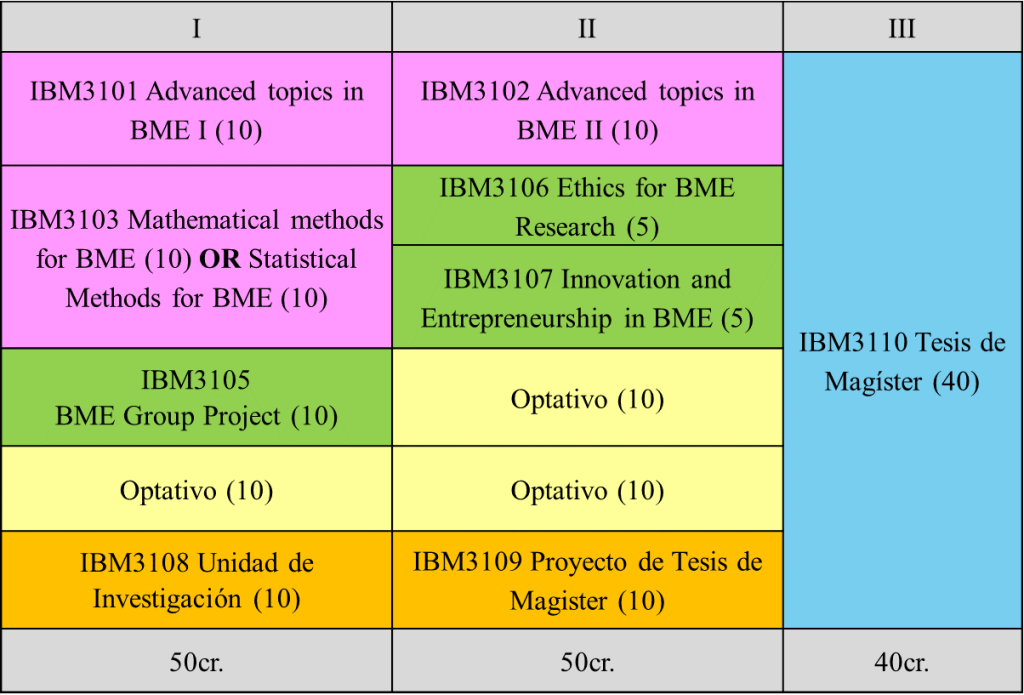
The Master's Degree in Biological and Medical Engineering is an exclusive program, with a theoretical duration of 3 semesters and a total of 140 UC credits, of which 70 correspond to minimum courses, 30 to elective courses and 40 to Thesis. The credits are the quantitative expression of the academic work done by the student, necessary to achieve the objectives and learning achievements of each curricular activity. One UC credit is equivalent to one hour of work per week during a semester.
The Master’s Thesis, which is worth 40 credits, will be carried out under the supervision of one or two faculty-guides, and must demonstrate the student’s ability to pose a problem, develop a hypothesis about it and develop an individual research work at the interface of biological sciences, medicine and engineering. Co-supervised theses will be encouraged in order to foster interdisciplinarity. The co-supervisors will jointly exercise all relevant functions and will be part of the Thesis Committee, composed also by the program director and other academics from the institute and other institutions external to UC.
To read the Master’s Regulations, click here.
Community

Alejandro Aravena
Programa
Master in Biological and Medical Engineering
Tema de investigación
Emergence of Ising-type patterns in bacterial systems.

Carmen Meza
Programa
Master in Biological and Medical Engineering
Javiera Catalina Ortiz Méndez
Master's Degree in Health Sciences Research-SA
Supervisor
Programa
Health Sciences-SA
Kristine Von Bischhoffshausen
Programa
Master in Biological and Medical Engineering
Tema de investigación
Upper airway in computed tomography
Rafael Kaempfer
Programa
Master in Engineering Sciences UC
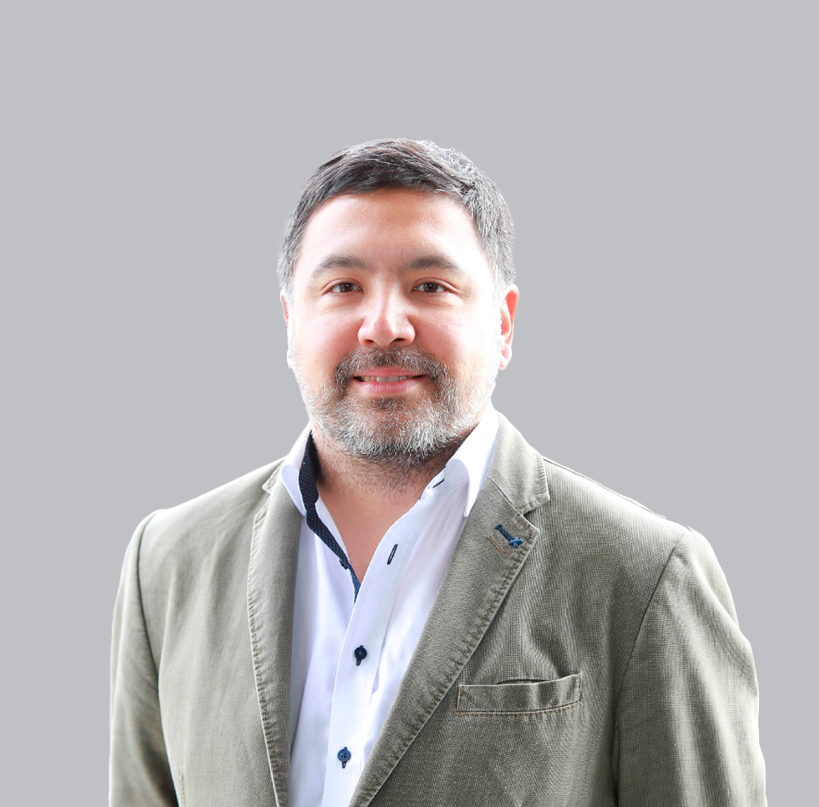
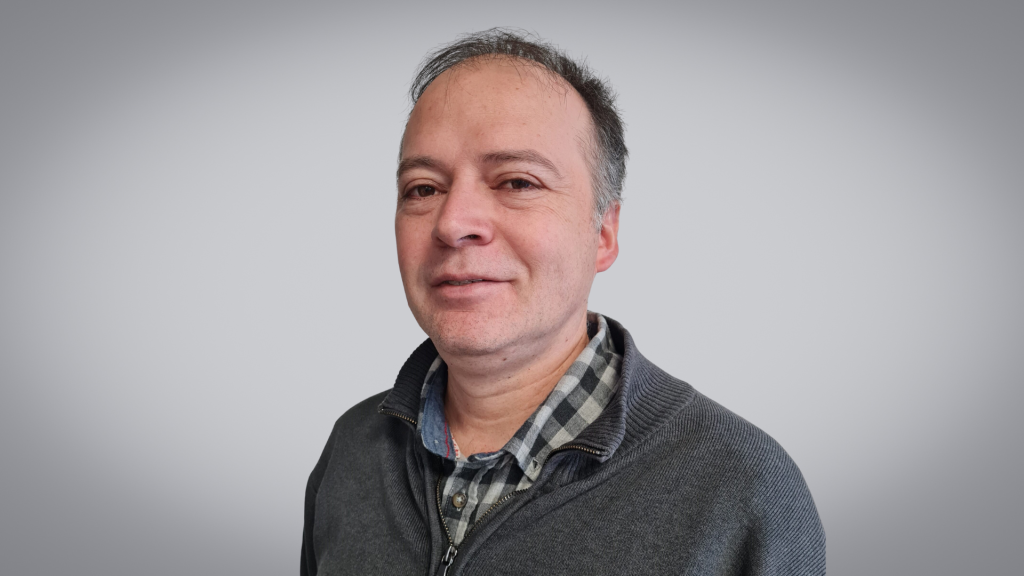
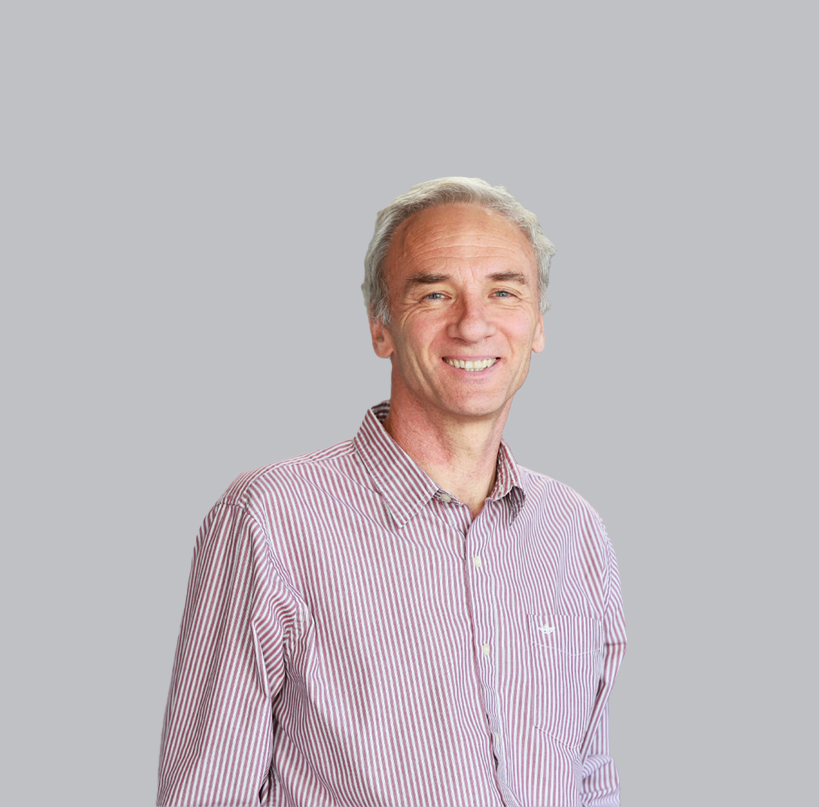
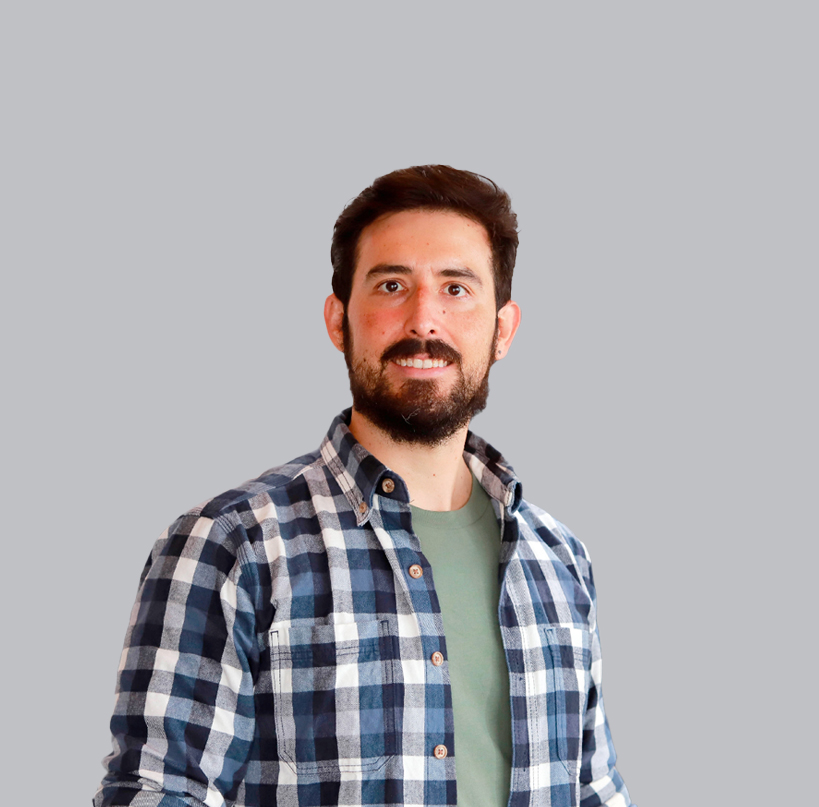
The program’s faculty consists of 31 tenured professors, all of whom hold doctoral degrees, have active research interests, and boast distinguished academic careers. Faculty members meet the productivity standards defined by the National Accreditation Commission (CNA) for doctoral programs and are fully qualified to supervise master’s theses, serving as academic advisors to students in the program. Their experience and leadership in research ensure an excellent education and a high-level academic environment.


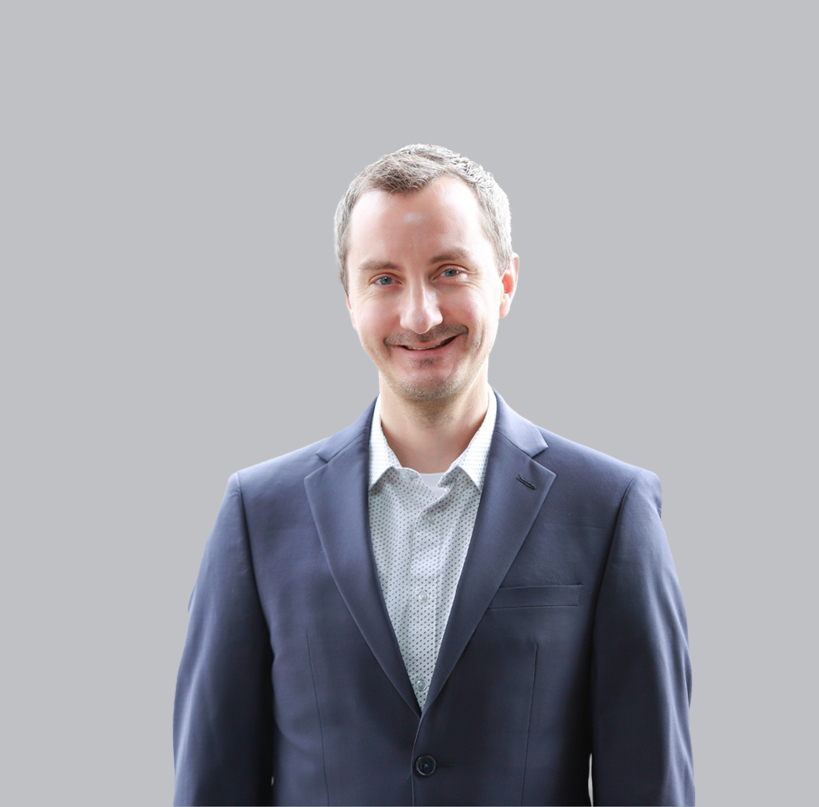

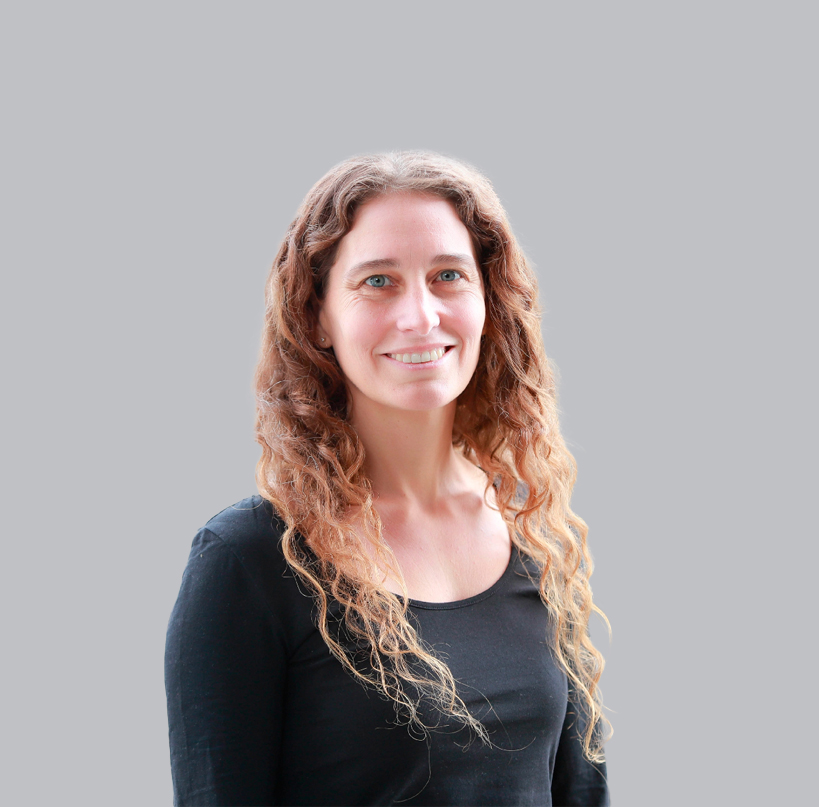
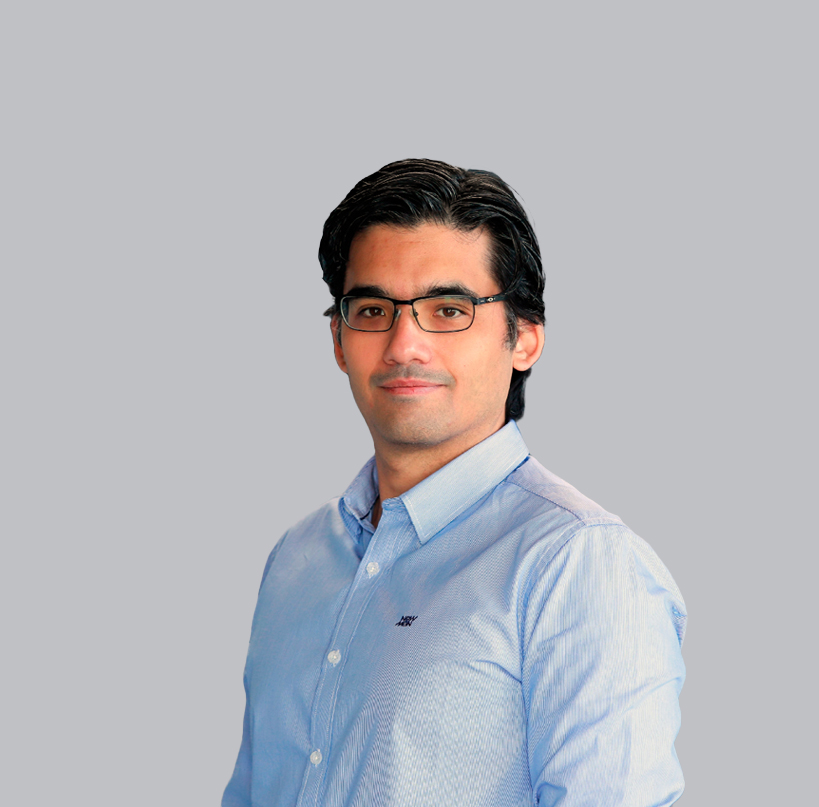
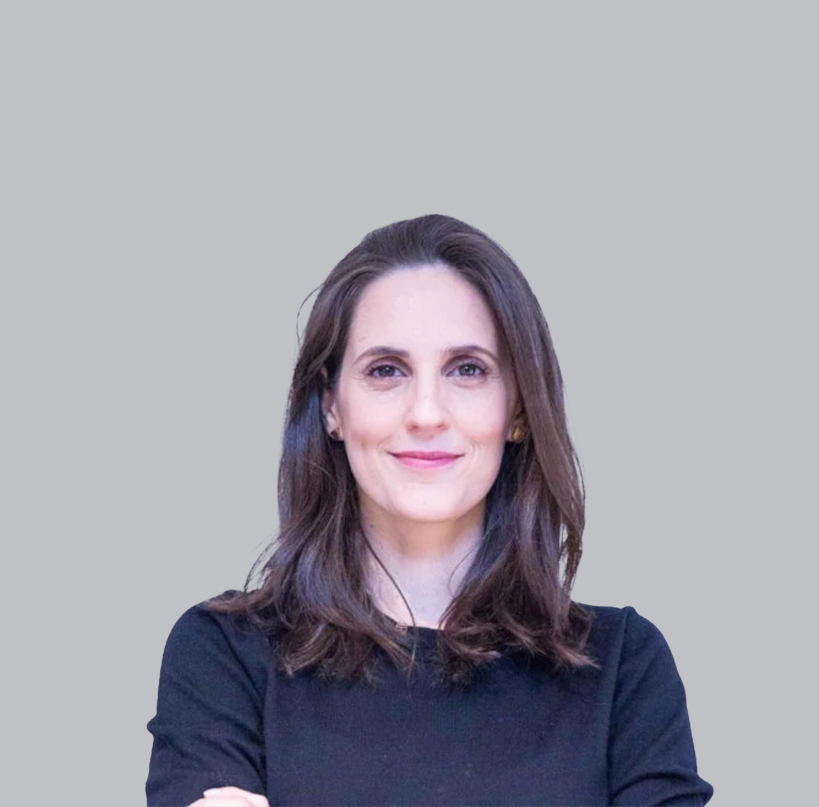
Cecilia Besa
Profesora Asistente Facultad de Medicina





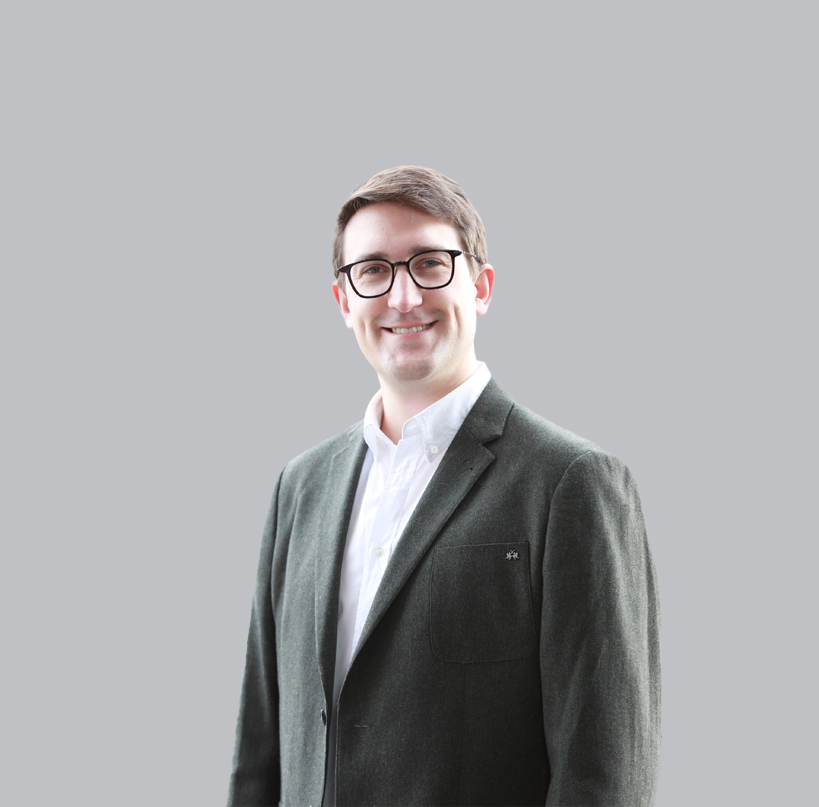

Tomás Egaña
Assistant Director of Postgraduate Programs | Associate Professor

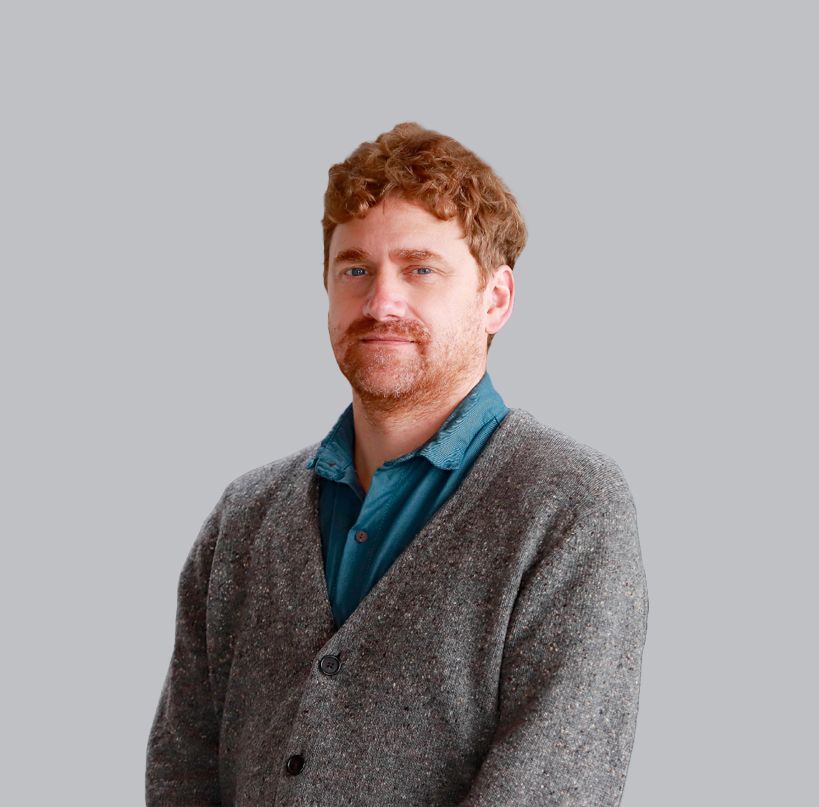
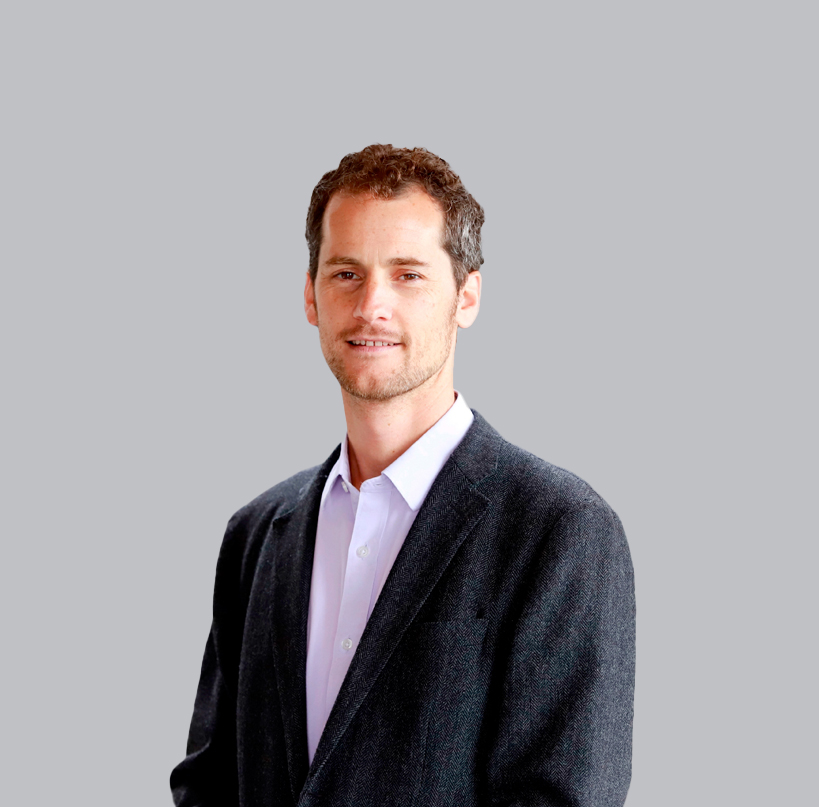
Andrea Ravasio
Associate Professor
Carlos Sing-Long
Associate Professor
Francisco Sahli
Associate Professor
Natalia Eugenia Jiménez Tapia
Assistant Professor
Nicolás Garrido
Master's student representative
Programa
Master in Biological and Medical Engineering
Sebastian Aguayo
Associate Professor
Tomás Egaña
Assistant Director of Postgraduate Programs | Associate Professor
Internationalization
The Institute of Biological and Medical Engineering has two mechanisms for its students to continue their studies through other programs or associated centers:
Agreements
Those who are part of the postgraduate programs at the IIBM will be able to continue their studies in schools and research centers in different parts of the world with great international prestige. This, thanks to the agreements between the Institute and outstanding entities dedicated to the study of engineering, biology and medicine.
Internships
The students of the Institute will have the possibility of obtaining financing and scholarships provided by UC entities, but will also be able to access the resources periodically provided by the National Commission for Scientific and Technological Research (Conicyt) once accredited.