IIBM wins two FONDECYT Regular 2026 projects and contributes to historic UC results

30 de January de 2026


The Institute of Biological and Medical Engineering (IIBM) of the Pontificia Universidad Católica de Chile was awarded two FONDECYT Regular 2026 projects, led by academics Sebastián Aguayo and Andrea Ravasio, consolidating the Institute's contribution to scientific research of excellence and interdisciplinary impact.

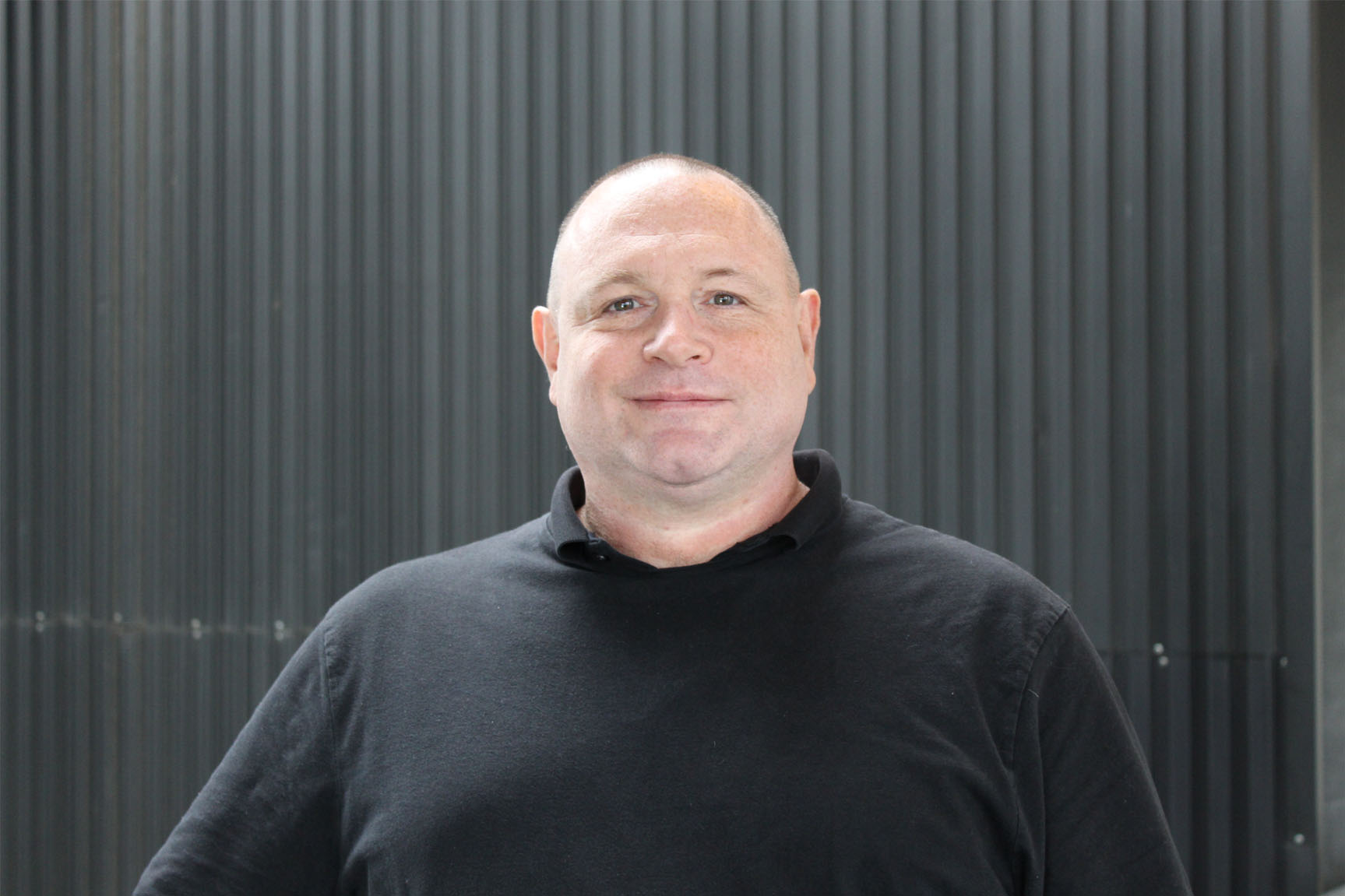
The project led by Professor Sebastián Aguayo will focus on studying the impact of structural changes in dental tissues on the mechanobiological properties of oral biofilms associated with dental caries. Through the use of advanced microscopy techniques -such as AFM, live-cell tracking and super-resolution microscopy- together with tooth-on-a-chip models, the research seeks to understand how these tissue modifications influence intra-biofilm communication and virulence. The ultimate goal is to contribute to the development of better strategies for the prevention and treatment of dental caries, with special emphasis on vulnerable populations.

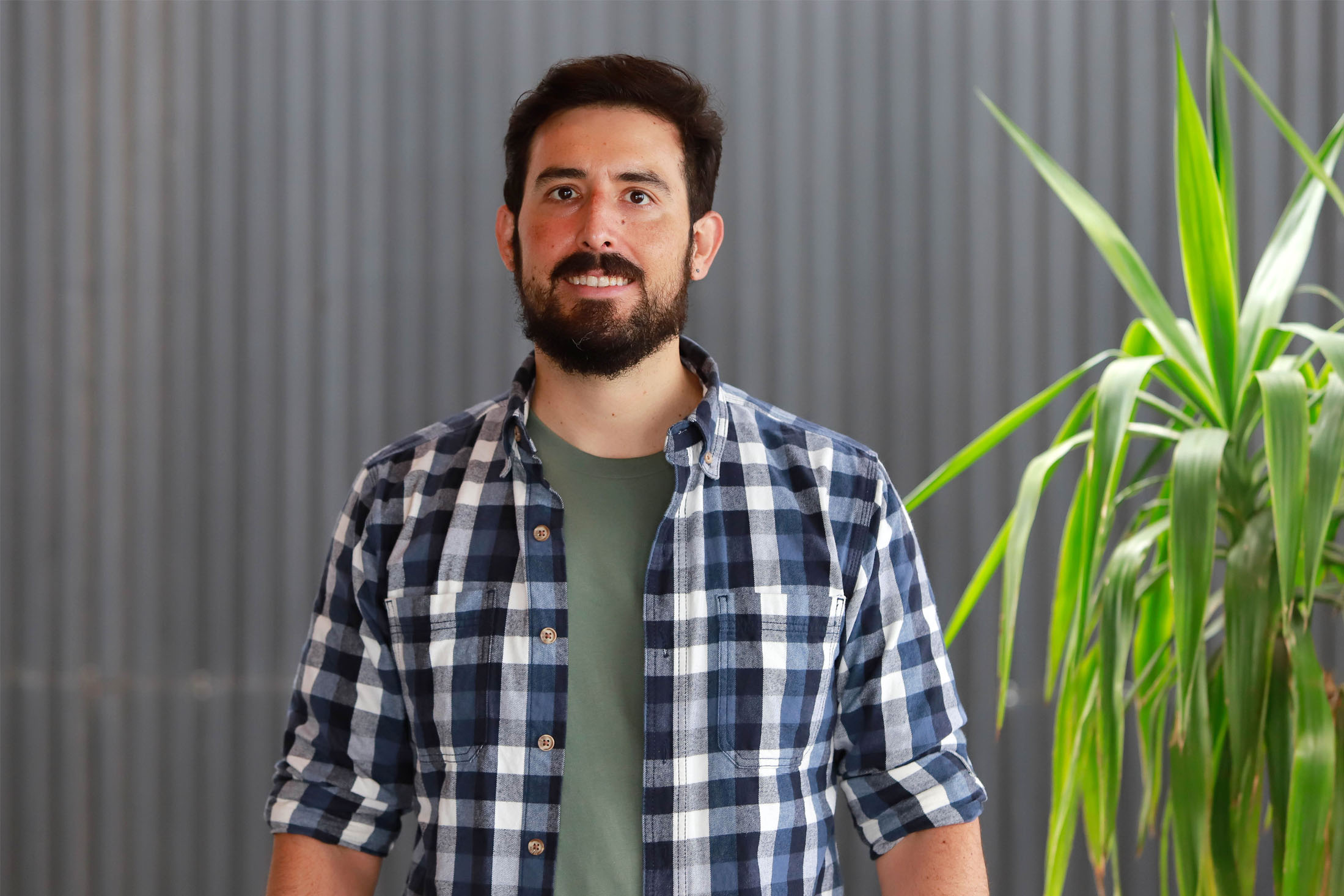
The project led by Professor Andrea Ravasio aims to uncover the fundamental principles that regulate the mechanobiology of epithelial tissues, particularly how the actin cytoskeleton integrates mechanical forces between cells to maintain tissue cohesion. Through an innovative combination of bioengineering, advanced microscopy, measurement of cellular forces and computational modeling, the study will analyze how these mechanisms are altered during cancer progression, providing new insights into tumor transformation, tissue regeneration and potential mechanistic markers with diagnostic and therapeutic impact.

These two awards are in addition to the outstanding institutional performance of the Pontificia Universidad Católica de Chile, which in the FONDECYT Regular 2026 competition was awarded a total of 99 projects, reaffirming its leadership in scientific research at the national level.

The IIBM congratulates Professors Sebastián Aguayo and Andrea Ravasio for this important achievement, which reinforces the Institute's commitment to the generation of frontier knowledge at the service of science and society.