IIBM alumnus leads biotech startup seeking to revolutionize the treatment of liver disease
29 de April de 2026

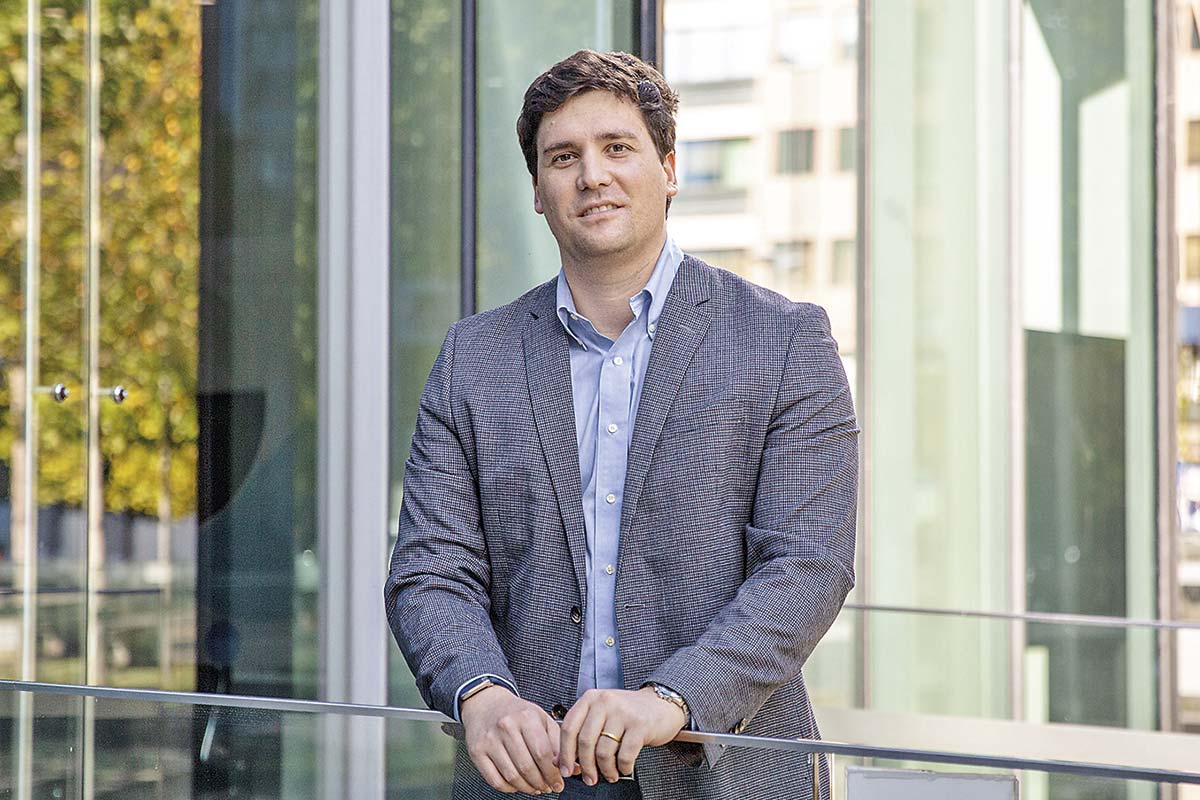
An innovative therapeutic proposal that could transform the treatment of advanced liver diseases is being promoted by Maximiliano Kunze-Küllmer, a Major alumnus of the Institute of Biological and Medical Engineering (IIBM).
The biomedical engineer currently heads Spectrum Regenerative, a U.S.-based biotech startup that develops pharmacological alternatives to liver transplantation, one of the main clinical solutions for patients with acute liver failure and inoperable liver tumors.
Recently, the company announced the raising of US$1 million with the support of Chilean investors, resources that will allow it to advance in the validation stages required by the Food and Drug Administration for the initiation of clinical trials in humans.
Spectrum Regenerative's technology is based on more than a decade of scientific research, aimed at developing molecules capable of regenerating liver tissue and reducing cell damage. Among its main advances is the compound HZ01, which in preclinical studies has demonstrated significant effects in the reduction of liver damage, oxidative stress and tumor growth.
"The goal is to offer a therapeutic alternative to avoid or delay the need for transplantation," Kunze-Küllmer said of the potential impact of these technologies.
Training at the IIBM and international projection
Kunze-Küllmer's leadership reflects the formative seal of the IIBM, which promotes the integration between engineering, biology and medicine to address complex health challenges. His time at the Institute's Major was key in the construction of an interdisciplinary approach that today translates into applied innovation with global impact.
After his education at the Catholic University, the alumnus continued his specialization at Duke University, consolidating a career that today positions him in the international biotechnology ecosystem.
Next steps
The startup plans to initiate clinical trials in the United States within the next 18 to 24 months, in addition to strengthening its presence in innovation hubs such as Boston and Silicon Valley.
This breakthrough not only represents a milestone in the development of new therapies for liver diseases, but also demonstrates the impact that professionals trained at the IIBM can have on the frontier of scientific and technological knowledge.
In a context where medicine faces growing challenges, initiatives such as this one open new possibilities to improve the quality of life of patients, reaffirming the value of interdisciplinary research and training of excellence.